Traffic control for utility works: what project teams need to know
Utility works often take place beside active roads, footpaths and public access areas. Whether the project involves electrical, water or telecommunications infrastructure, traffic control may be needed to help protect work crews and manage vehicle and pedestrian movement around the site.
The right setup depends on where the work is located, how much of the road or verge is affected, the duration of the works and whether access needs to be maintained throughout the project.
Start with the work location
Utility projects can range from short maintenance tasks to larger installations along busy roads. The position of the work area will influence whether lanes, shoulders, footpaths or access points are affected.
Understanding that impact early helps project teams identify the traffic control measures that may be required before crews arrive on site.
Our utility traffic management services support projects across South Australia and Victoria with planning, on-site control and equipment.
Consider how crews and vehicles will access the site
Utility works may involve service vehicles, plant and equipment entering or stopping close to live traffic. Access arrangements should consider where vehicles will park, how they will enter and leave the work area and whether those movements affect the normal flow of traffic.
Where access is constrained, traffic controllers or temporary controls may be needed to help coordinate vehicle movements around the work zone.
Plan for pedestrians and shared spaces
Many utility works take place near footpaths, crossings or residential and commercial access points. Pedestrian movement should therefore be considered alongside vehicle traffic.
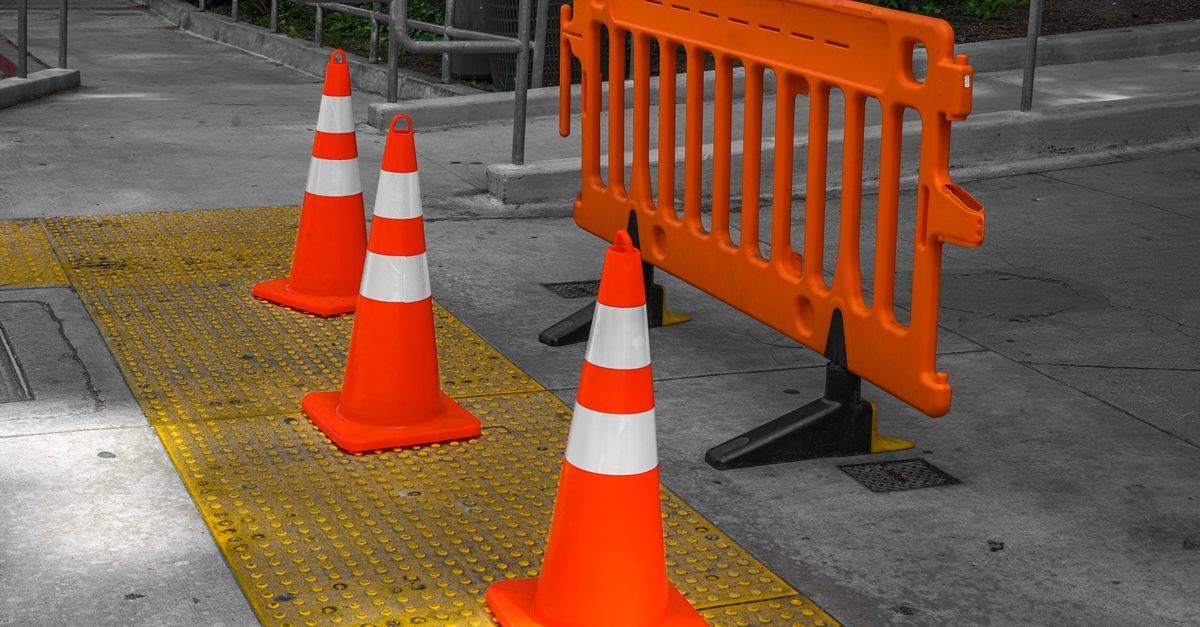
Temporary paths, controlled crossings or changed access may be required depending on the site. Keeping those routes clear and easy to understand helps reduce unnecessary interaction between pedestrians and work activities.
Use traffic planning to coordinate the setup
A traffic management plan can help map out lane arrangements, signage, controller positions, pedestrian routes and equipment before works begin.
That planning can be particularly useful for utility projects that move along a road corridor or progress through different stages, because traffic arrangements may need to change as the work area shifts.
Match equipment to the traffic conditions
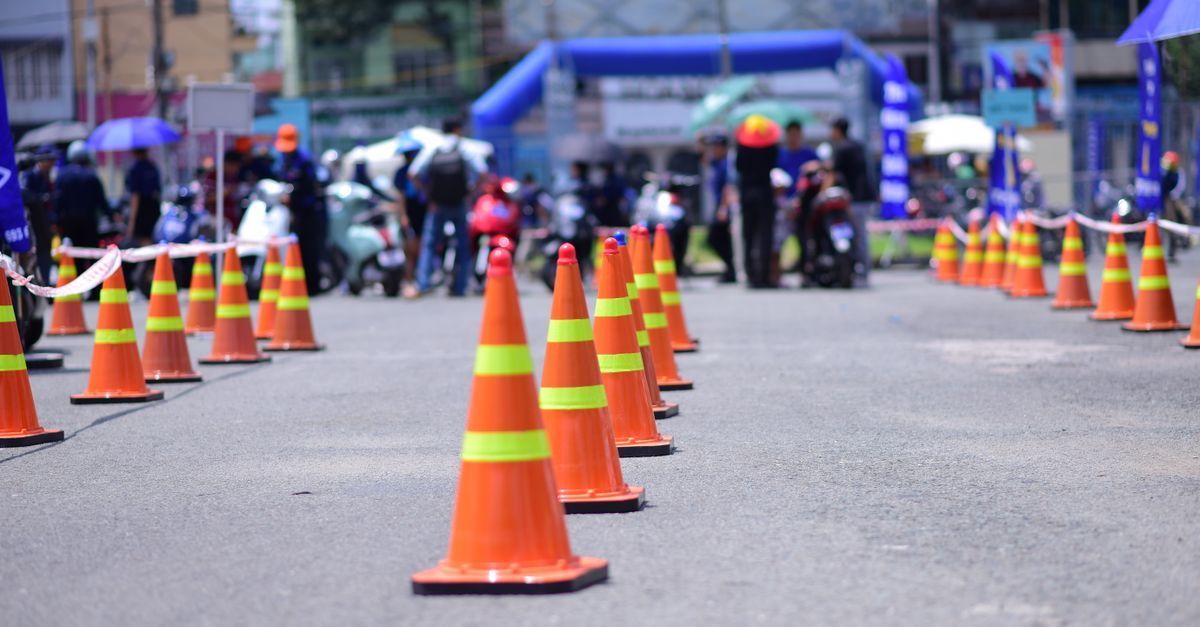
Depending on the site, utility works may use temporary road signs, VMS boards, portable traffic lights or vehicle-mounted warning devices. Each has a different role in communicating changed conditions and supporting the overall traffic setup.
Explore our traffic equipment hire options to see the equipment available for temporary works and roadside projects.
Coordinate traffic control with the work program
Utility works can be time-sensitive or staged across multiple locations. Traffic arrangements should reflect the work program, including when crews will be on site, how long each stage will run and whether traffic conditions will change during the day.
Early coordination gives project teams more time to organise people, equipment and access in a way that suits the actual job.
Build traffic control into utility project planning
Traffic control for utility works should be considered as part of the wider project rather than added after the site is mobilised. Planning around access, pedestrians, live traffic and equipment helps create a more organised approach to working beside public roads.
Learn more about our utility traffic management services.
Contact our team to discuss your utility project and the traffic control support it may require.