What is traffic control and when is it required?
Traffic control is an important part of keeping road users, pedestrians and work crews moving safely around temporary works and changed road conditions. It can be required for everything from construction and road maintenance to utility works and organised events. The exact setup depends on the location, traffic conditions, type of work and how access needs to be maintained while the activity is underway.
For contractors and project managers, understanding when traffic control is needed helps avoid last-minute complications and makes it easier to coordinate people, equipment and site access. This guide explains what traffic control involves, the types of projects that commonly need it and what should be considered before work begins.
What does traffic control involve?
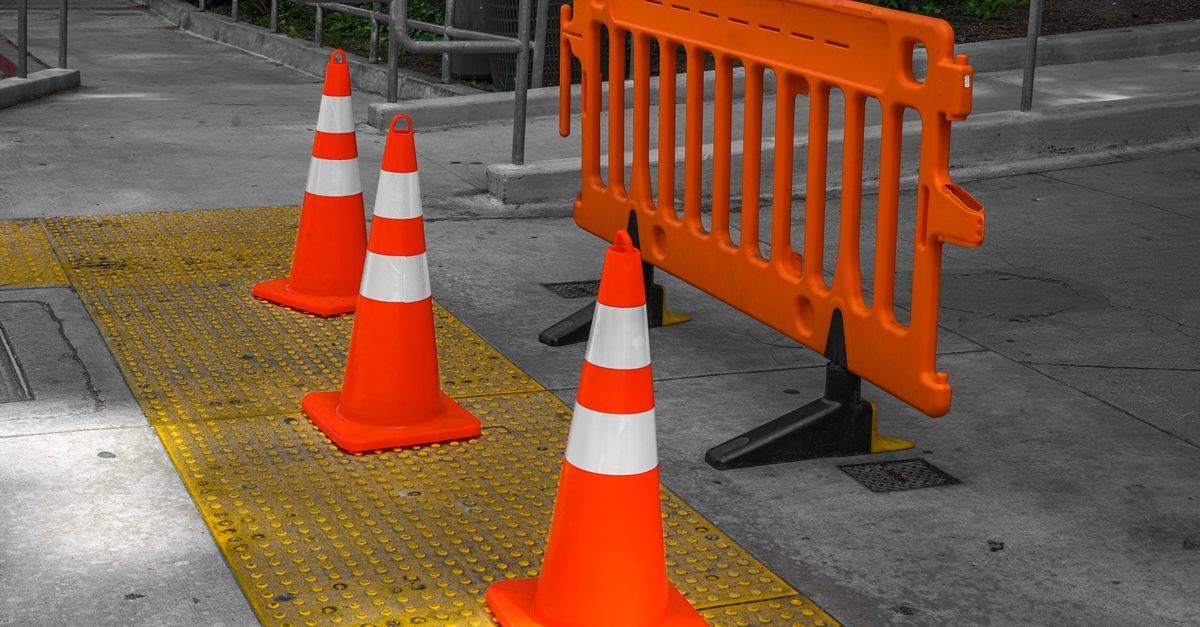
Traffic control refers to the measures used to manage vehicle and pedestrian movement around an active work area, event or temporary road condition. Depending on the project, this can include trained traffic controllers, lane closures, detours, temporary signage, portable traffic lights, VMS boards and other traffic management equipment.
Good traffic control is not simply about stopping or directing vehicles. It is about creating an organised traffic environment around the work so people can understand where to go, workers can operate with appropriate separation from moving traffic and access can be maintained where practical.
I&D Traffic Management provides traffic control and traffic management services for construction, roadworks, infrastructure, utilities and events across South Australia and Victoria.
When is traffic control commonly required?
Traffic control may be required whenever work or an event changes the normal movement of vehicles or pedestrians. Common examples include road maintenance, resurfacing, utility works beside a road, construction site access, lane closures, temporary detours and events that affect surrounding streets or parking areas.
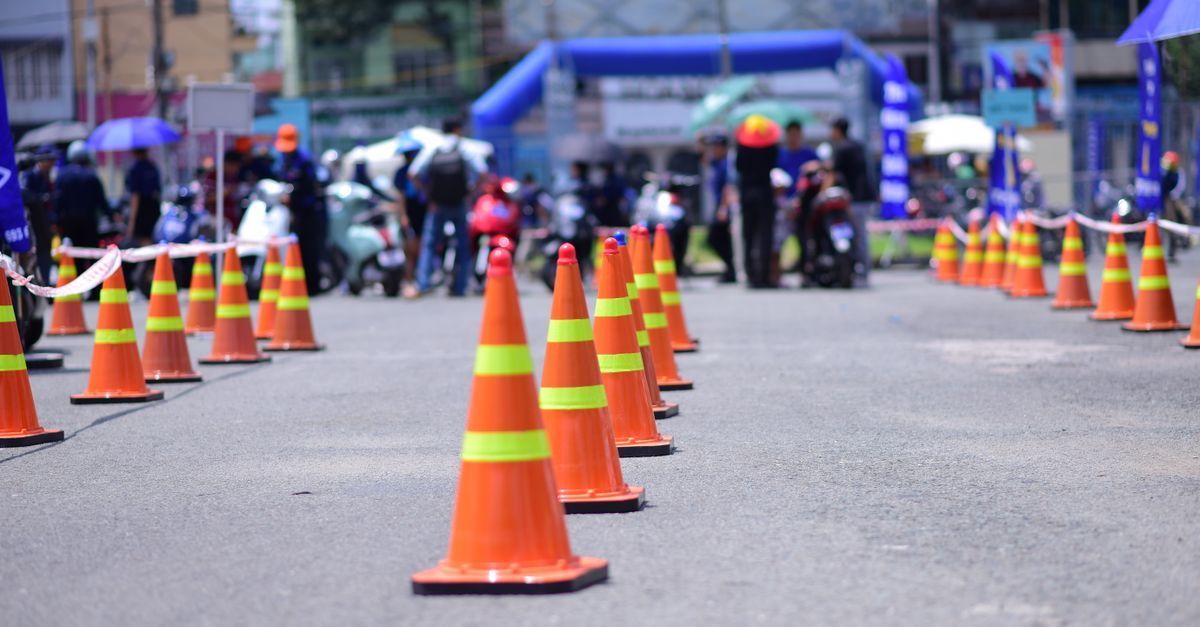
Projects involving work close to live traffic generally need careful planning because road users may encounter reduced lanes, changed speed environments, temporary access points or workers operating near the carriageway. Events may also require road closures, managed crossings, detours or temporary traffic arrangements to help participants and the public move through the area.
If your work involves construction, you can learn more about our construction traffic management services and how on-site traffic control can support changing site conditions.
Why traffic planning matters before work starts
The most effective traffic control usually begins before anyone is positioned on the road. Planning helps identify how vehicles and pedestrians will move through or around the work zone, where access must be retained and what traffic control devices may be required.
A well-considered plan can also help coordinate lane closures, detours, signage placement and staging around the work program. This is especially important where traffic volumes, pedestrian activity or access requirements may change throughout the project.
Our team can assist with traffic planning and traffic guidance schemes as part of a broader traffic management approach.
What equipment may be used?
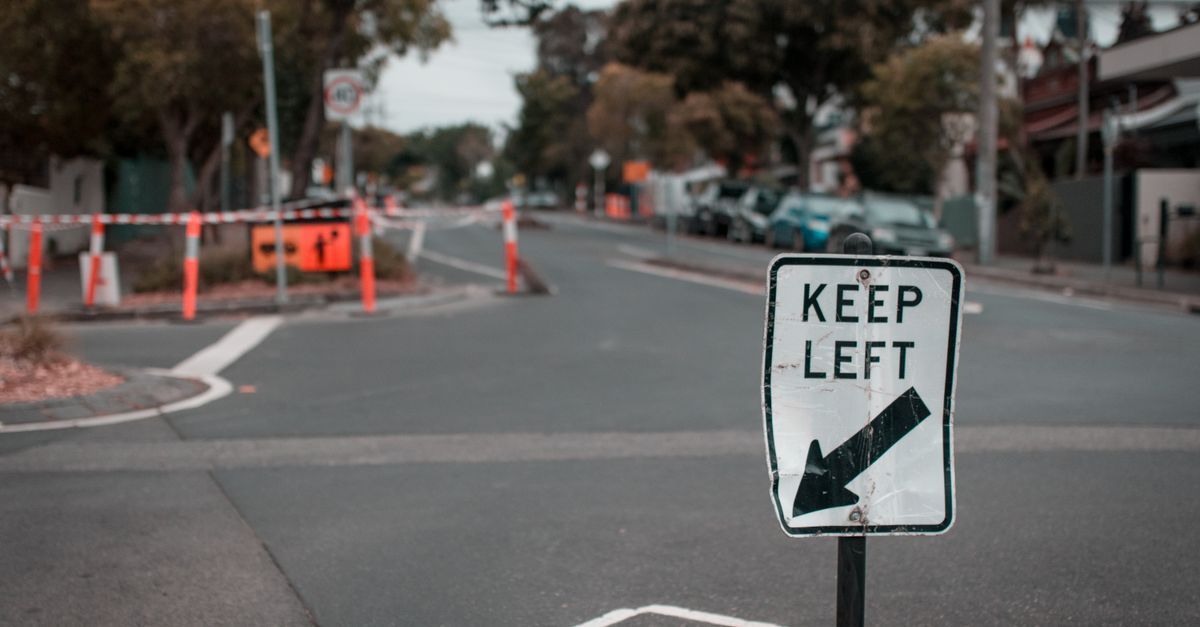
The equipment required depends on the site and project. Temporary road signs help communicate changed conditions and directions to motorists. VMS boards can provide clear messages about upcoming works, detours or changed access. Portable traffic lights can help manage alternating traffic where lanes are reduced, while vehicle-mounted warning devices can improve visibility around work vehicles.
Using the right combination of equipment and people helps make the traffic setup easier to understand and operate. Explore our traffic control equipment hire options for projects across South Australia and Victoria.
What should project teams consider?
Before arranging traffic control, project teams should consider the type and duration of the work, site access, nearby intersections, pedestrian movement, road conditions and how the works may affect surrounding traffic. It is also useful to think about whether traffic arrangements will need to change as the project progresses.
Providing this information early gives the traffic management team a clearer understanding of the site and helps them develop a solution suited to the actual work rather than relying on a generic setup.
Plan traffic control early
Traffic control is most effective when it is treated as part of project planning rather than something added at the last minute. Coordinating traffic plans, controllers and equipment early can make site setup smoother and help reduce unnecessary disruption once works begin.
Explore our traffic control services to see how we support roadworks, construction, infrastructure, utilities and events.
Contact our team to discuss your project, site conditions and traffic control requirements and request a tailored quote.